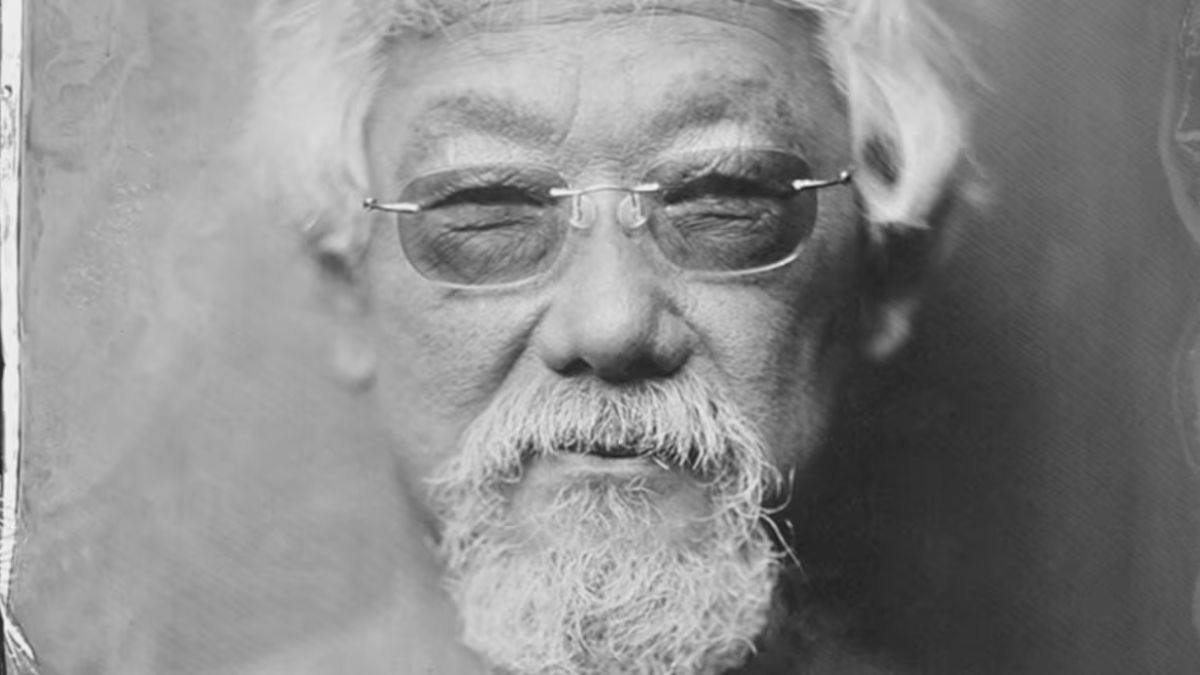
As David Suzuki nears his 90th birthday, the renowned scientist, broadcaster, and environmental advocate delivers a poignant reflection on his decades-long battle to safeguard the planet. Facing the escalating climate crisis, he candidly assesses his efforts, blending unflinching realism with enduring optimism. This introspective look not only chronicles his personal journey but also serves as a clarion call for collective responsibility in an uncertain world.
A Lifetime Committed to Science and Environmental Advocacy



David Suzuki has long been a bridge between complex scientific concepts and everyday understanding. His career as a geneticist evolved into a powerful platform for environmental awareness through award-winning TV series like *The Nature of Things*, bestselling books, and countless public speeches.
These efforts demystified pressing issues such as biodiversity loss, pollution, and global warming, empowering audiences to grasp the urgency of planetary health. Suzuki’s approach always emphasized evidence-based advocacy, making him a trusted voice in the fight for sustainability.
In his latest memoir, he weaves personal anecdotes with hard-won insights, transforming individual experiences into universal lessons. This work stands as a testament to his unwavering dedication, particularly as he contemplates the legacy he’s leaving for younger generations, including his own grandchildren.
- Key milestones: Pioneering CBC broadcasts reaching millions.
- Influential books like *The Sacred Balance* that reshaped public discourse.
- Founding the David Suzuki Foundation to drive real-world change.
From Classroom to Global Stage
Suzuki’s transition from academia to activism was seamless, driven by a profound sense of duty. He recognized early that knowledge alone wasn’t enough—widespread awareness was essential to spur action against ecological threats.
His engaging style, infused with passion and clarity, turned dry data into compelling narratives, inspiring policy shifts and grassroots movements worldwide.
Acknowledging Shortcomings Without Surrendering
In a moment of raw honesty, David Suzuki concedes that environmentalists, including himself, have not fully succeeded. Decades of advocacy have fallen short of ambitious climate goals, with critical tipping points surpassed ahead of projections.
The 1.5°C global warming threshold, once a rallying target, now feels like a missed marker, amplifying risks of extreme weather, sea-level rise, and ecosystem collapse. Suzuki laments how political inertia and corporate interests have hindered progress.
Yet, this admission isn’t defeatist. He reframes success not by outcomes alone but by the depth of commitment and moral imperative to persist, urging others to measure their lives similarly.
- Failed targets: Emission reductions lagging behind Paris Agreement pledges.
- Crossed thresholds: Arctic ice melt and coral bleaching accelerating.
- Persistent hope: Individual and collective actions still matter profoundly.
The Emotional Weight of Unmet Goals
Suzuki’s candor reveals the human side of activism—the frustration of watching warnings unheeded. Despite accolades and influence, he grapples with the gap between intention and impact.
This vulnerability strengthens his message, showing that true leadership involves owning imperfections while pushing forward.
Passing the Torch: A Message for Future Generations
Central to Suzuki’s reflections is a heartfelt appeal to his family and beyond. He assures his grandchildren that he poured everything into protecting their future, navigating obstacles with resolve.
This personal dimension universalizes his story: every person bears responsibility for Earth’s stewardship. No challenge is too vast when met with purposeful action.
His memoir acts as a roadmap, detailing strategies for resilience amid adversity. It encourages young people to innovate, advocate, and live sustainably, fostering a chain of guardianship.
Lessons Tailored for the Young
Suzuki stresses education as the foundation of change, advocating for curricula that prioritize environmental science. He calls for youth-led initiatives, from policy lobbying to community cleanups.
By sharing failures alongside triumphs, he equips the next generation with realistic tools for triumph.
Navigating Realism and Resilient Hope
Suzuki’s worldview balances stark realities with pragmatic optimism. He paints a sobering picture of irreversible shifts but insists on adaptive strategies over despair.
The focus has shifted from mere prevention to resilience-building: fortifying communities against floods, droughts, and heatwaves already manifesting. This evolution demands innovation in renewable energy, sustainable agriculture, and global cooperation.
His hope stems from humanity’s proven adaptability—past crises like ozone depletion show what’s possible with unified effort.
- Realistic actions: Investing in green tech and carbon capture.
- Hopeful signs: Rising youth activism and corporate sustainability pledges.
- Core mantra: Act now, adapt always.
Legacy: What We Leave Behind Matters Most
Beyond climate activism, Suzuki probes deeper: How do we define a meaningful life? His answer prioritizes perseverance, values transmission, and ethical living over flawless victories.
At 90, he views his legacy through the lens of effort expended and inspirations ignited. This philosophy resonates universally, challenging readers to evaluate their own contributions.
In an era of division, Suzuki’s unity call—science, ethics, and action intertwined—offers a blueprint for enduring impact.
Conclusion: An Enduring Call to Action
David Suzuki‘s reflections at 90 are a masterclass in purposeful living amid crisis. While fearing shortfall, his life’s work illuminates paths forward, blending science with soul.
Let his story propel us: Protect the Earth not for accolades, but for those who follow. Commit fully, adapt boldly, and hope fiercely—our planet’s future hinges on it.